Professional Dstv Dish Repairs can help when a satellite dish moves, becomes unstable, loses alignment or develops a physical problem that affects television reception. Because the dish sits outdoors, wind, building work, accidental contact and changes around the property can sometimes affect the installation. However, poor reception does not automatically mean you need a new dish. First, a technician can inspect the existing setup. Then, the technician can determine whether adjustment, mounting work, related component repair or replacement may be appropriate.

Signs Your Satellite Dish May Need Attention
A physical dish problem can appear in several ways. Common signs can include:
Reception problems after strong wind
No signal after the dish was moved
Freezing or pixelated television pictures
A visibly loose dish
Damaged mounting hardware
Problems after roofing work
Problems after exterior renovations
An unstable dish position
Damaged outdoor connections
Reception problems after relocating equipment
Nevertheless, similar symptoms can also come from the LNB, cables or connections. Therefore, proper diagnosis remains important.
Inspect the Dish Before Replacing It
Customers arranging Dstv Dish Repairs should not assume that every reception problem requires a completely new satellite dish. For example, the dish itself may remain suitable while its position or mounting requires attention. Therefore, an inspection can help identify what actually needs correction.
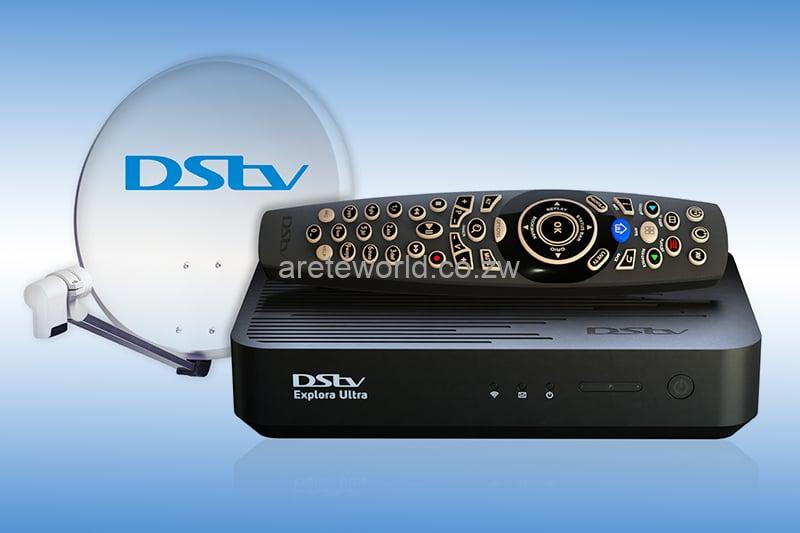
Satellite Dish Alignment
A dish needs suitable positioning for the satellite setup.
If it moves away from that position, reception can become weak or disappear.
Where alignment is the problem, a technician can assess the dish position and carry out suitable corrective work.
Loose Satellite Dish
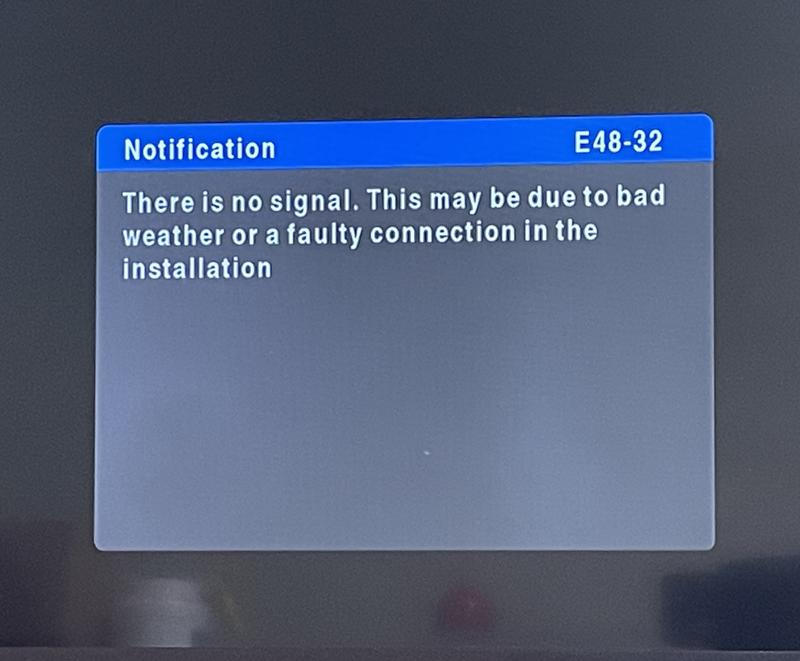
Dish Mounting Problems
Customers requesting Dstv Dish Repairs may have a problem with the physical mounting arrangement rather than the dish itself. For instance, mounting components can require attention if the installation no longer holds the dish securely.
The technician can inspect the relevant mounting area and determine what corrective work may be suitable.