Professional Dstv installation centurion services can help you set up satellite television in a new home, upgrade an existing system or prepare additional viewing areas around your property. Instead of starting with equipment, begin with the way you want to use the system. First, identify your television positions. Next, consider the equipment already available. Then, plan the physical installation around those requirements. This approach can help create a practical setup while avoiding unnecessary changes to equipment that may still be suitable.
Start With Your Viewing Requirements
Every installation should begin with a clear idea of what the customer needs.
Before booking, consider:
Number of televisions
Number of viewing areas
Decoder model
Existing satellite dish
Existing cable routes
Explora requirements
Extra View requirements
Planned room changes
Property type
Future viewing requirements
Therefore, giving the technician accurate information can make the initial assessment more useful.
New Satellite Setup in Centurion
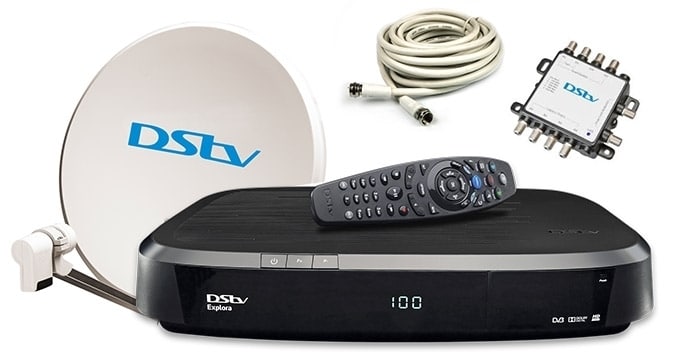
Customers arranging Dstv installation centurion for a new setup may require a dish, LNB, coaxial cable and relevant decoder connections.
However, some properties already have satellite infrastructure.
Therefore, the technician can first consider the existing equipment before recommending a completely new setup.
Assess the Property First
A freestanding house, townhouse, apartment and office can each require a different installation approach.
For example, cable routes that work well at one property may not suit another.
Consequently, the property layout should guide the physical installation.
Choosing the Dish Position
The technician can consider a practical position for the satellite dish according to the property and reception requirements.
Additionally, the mounting location should suit the physical installation.
Planning the position before mounting can reduce unnecessary changes later.
Satellite Dish Mounting
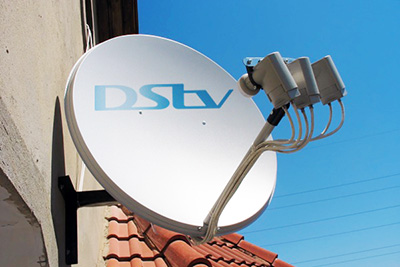
A dish needs a suitable and stable mounting arrangement.
Therefore, the technician should consider the mounting surface and the physical requirements of the installation.
Moreover, a properly planned mounting position can make future inspection more straightforward where reasonably accessible.